Stone
The conservation treatment of stone sculpture, relief and architectural stone.

The conservation and restoration of stone sculpture
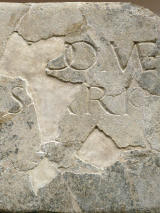
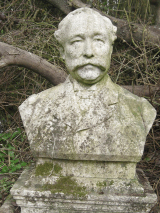
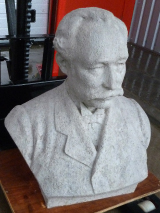
From Roman marble busts, architectural details and fireplaces to contemporary sculpture, the task of conserving and restoring stone is diverse.
Stone conservation demand that the individual requirements of each project to be taken into consideration. Whether it is sculpture repair or restoration or architectural stonework treatment, the process in each case relies on a detailed understanding of each stone type and follows a process of inspection, testing, preparation, cleaning and restoration.
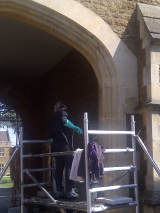
Architectural stone work
In architectural stone, atmospheric conditions will often have the largest part to play in their need for attention.
The build up of sulfate deposits can form a black crust on the surface which will inhibit the stone’s ability to breathe. When water becomes trapped under this crust the expansive forces of freeze thaw cycles can result in damage to the stone. The trapped water can also contribute to the crystallization of soluble salts already in the stone resulting in further deterioration. Cleaning these deposits along with the build up of dirt, organic matter and staining are therefore often our main concerns when treating outdoor stonework.
Our principle is to preserve the stone as much as possible therefore prioritising the use of non abrasive, non aggressive cleaning methods. Any stone repairs we apply to either damaged sculpture or stonework are of a softer nature to the intrinsic stone, this allows them to act in a sacrificial nature when the stone expands and contracts under different environmental conditions.
